
Rare Coast / Sourcing & testing
Before a flower reaches Rare Coast.
Our first decision happens before we place an order. Follow the flower from a European farm through independent laboratory testing, our own workbench checks and the spot checks we commission after delivery.
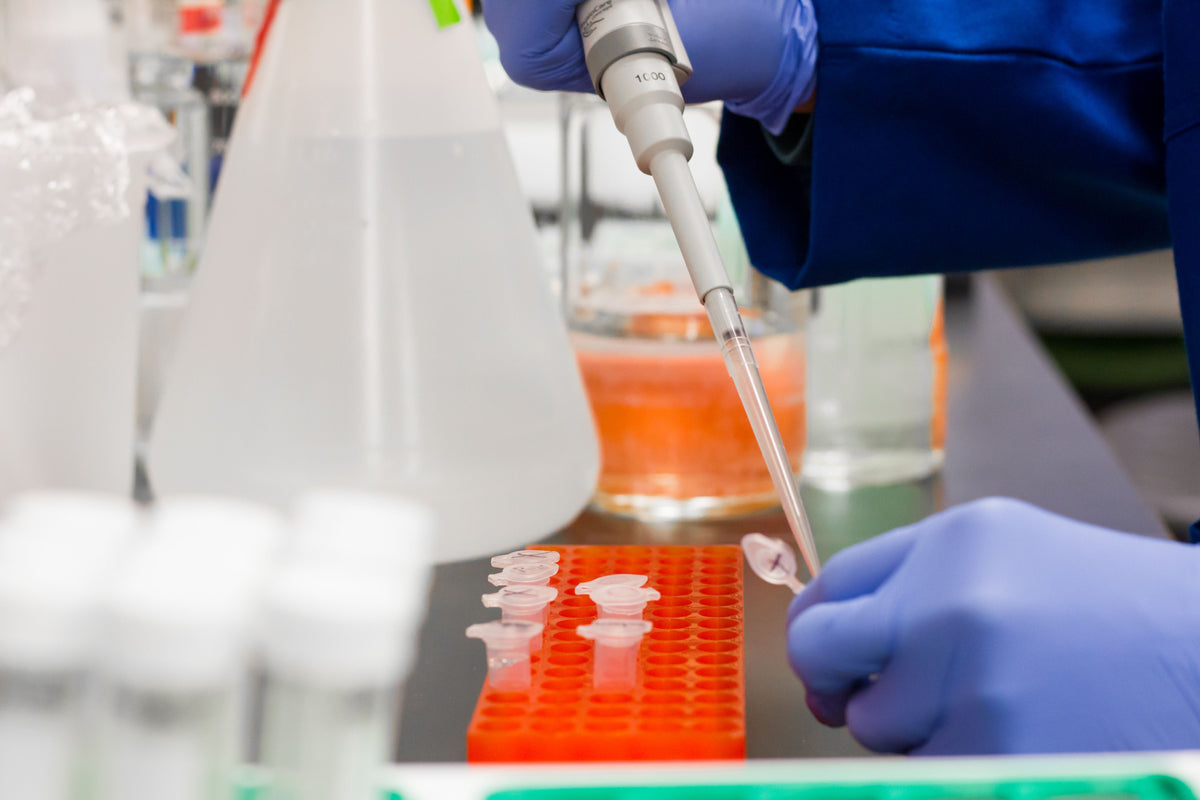
Before we buy
Our sourcing starts with farms in Europe. Before Rare Coast buys a flower product, we require it to be tested by a third-party laboratory. The buying decision rests on what that laboratory finds in the sample.
If a test detects Δ9-THC or another controlled cannabinoid, we do not purchase the product.
A variety name can tell you which flower a farm has grown. It cannot tell you what a laboratory found in a particular sample. That distinction matters when comparing two products, even if they share a name or come from the same grower.

Inside a laboratory report
A laboratory report, also called a certificate of analysis, is easiest to read in three parts. Start with the sample, then read the individual results alongside the laboratory’s explanation of its limits.
Sample reference
Look for the identifier attached to the material tested and the date of analysis. A report for another sample of the same variety describes that other sample.
Cannabinoids tested
Read the names down the results table. CBD and Δ9-THC have separate entries when both are tested. A substance missing from the table should never be counted as a negative result.
What “not detected” means
A laboratory can only detect a substance down to the limit of its method. Read “ND” using that report’s key. A result below the limit of quantification can mean a substance was detected at a level too low to measure reliably. The two findings carry different meanings.
On the Rare Coast workbench
Every flower product we sell also goes through our own check using a thin-layer chromatography (TLC) kit. This is the part of the process we carry out ourselves on the material we receive.
In TLC, components of a sample travel different distances across a plate and appear as spots. The resulting pattern provides a screening check. Reading that pattern is a different task from measuring a concentration with a laboratory instrument. We use the kit as an additional check alongside the independent analysis.
A second look after delivery
From time to time, we select products we have received at random and have them tested again by a third-party laboratory. The timing matters. The first test informs whether we place an order. A repeat test examines a sample taken from the stock that has reached Rare Coast.
Every flower product we sell is independently tested and checked by us using TLC. The additional independent retest applies to the products selected for that spot check.
Testing and UK requirements
Our purchasing rule answers a specific question: did the laboratory detect a controlled cannabinoid in the sample it tested?
Home Office guidance on cannabis and cannabinoids ↗
Food guidance on CBD and hemp infusions ↗
Ask about a batch
If you have a question about a test result, tell us the product name and any batch reference shown on your packaging. If you are reading a report, include the sample reference and the entry you would like us to explain. Those details help us identify the flower and the result you are asking about.